For the Love of the Game: Making Video Games in Tasmania
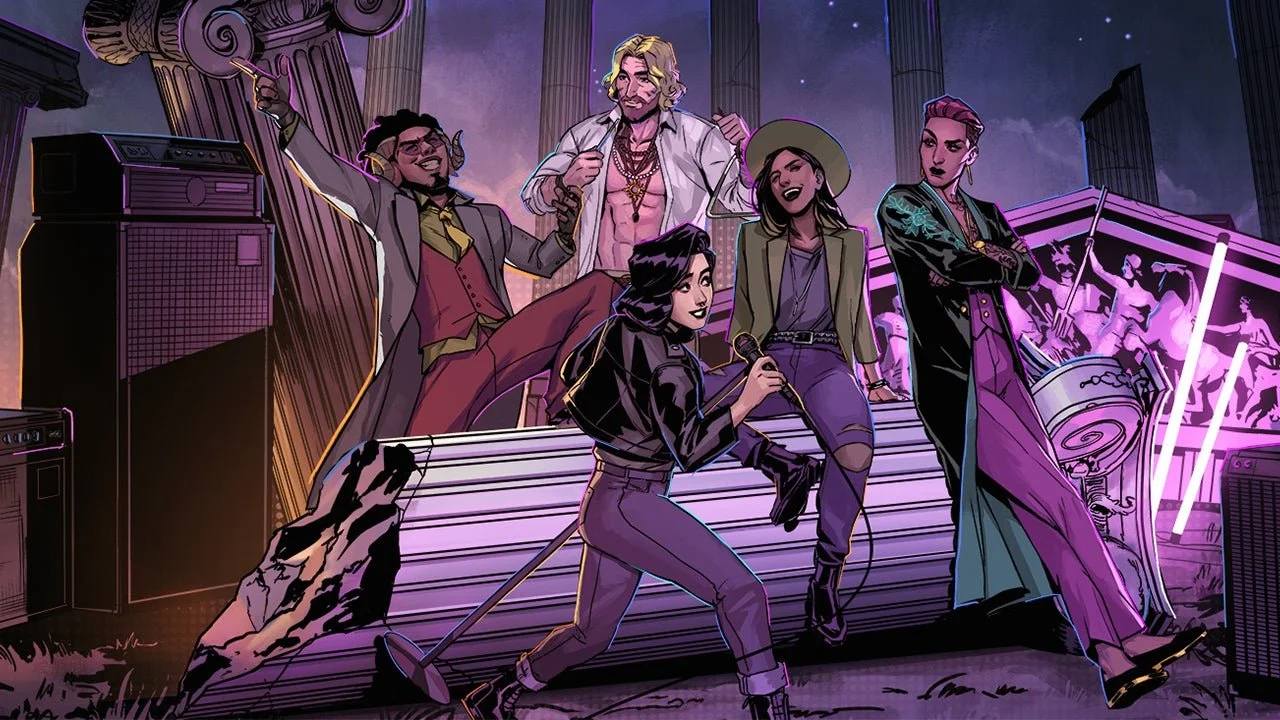
‘Stray Gods’ banner
Note: This article was first published in Ham Magazine on 5 November 2025. It is a small and independent magazine celebrating and documenting the arts in Nipaluna/Hobart. Support it here: ham-magazine.bigcartel.com
The video game-making community in Tasmania may be small, but it’s filled with passion. You’d have to be passionate to make it down here. With limited government funding and the major hubs being Melbourne and Sydney, a career in video games in Tasmania isn’t something you chase for the paycheck or growth opportunities. It’s a path driven by a love of the game (and a love for games).
If you happened to attend last year’s Level Up Tasmania Video Game Showcase, you’d have seen just how vibrant this community is. There, home-grown developers proudly showcased their creations, both finished and still in the works, to eager gamers curious about what they’d been cooking. The event was such a success that organisers are already discussing another showcase for April 2026.
One of the developers you may have met at the event was Andrew Mendlik. A tech and VFX artist by trade, Andrew’s journey to becoming a game developer wasn’t exactly a straight line. His story is one of how a Tasmanian massage therapist turned a lifelong passion for video games into a career in making them.
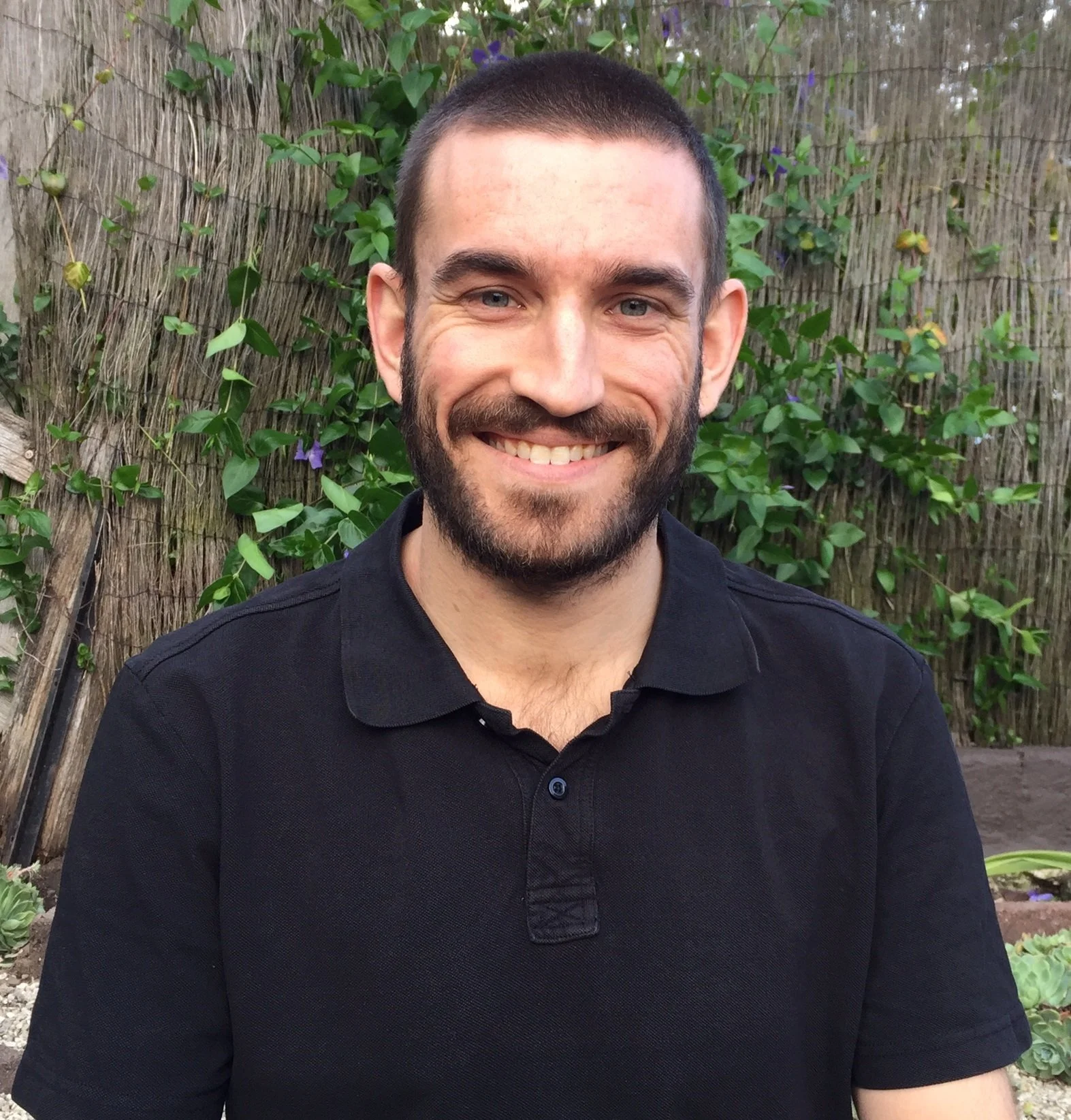
Andrew Mendlik
Andrew has been playing games for as long as he can remember. “From back on the Commodore 64 and Atari 2600 to now, so there have been lots of important games for me,” he says. Growing up in Melbourne during the 80s and 90s, games like Dune II, the original Tomb Raider, Goldeneye, and World of Warcraft had a profound impact on him. Man’s got taste.
For the longest time, though, Andrew didn’t realise that making games could be a viable career. He didn’t know anyone in the industry, and with little fanfare around the profession growing up, it just didn’t occur to him that it was something he could pursue. Even in his teenage years, when he dabbled in 3D graphics and game modding, the road to game development remained unclear. “There were limited study options and I wasn't self motivated enough at that age to be completely self-taught,” he says.
Life took Andrew on a winding journey, and he worked a series of odd jobs. From factory work and pizza delivery to bookkeeping and even years of study to become a qualified massage therapist, Andrew felt like he hadn’t yet found his true calling.
It wasn’t until he moved to Hobart in the mid-2010s that this changed. Looking for something different, Andrew discovered that the University of Tasmania offered an ICT degree with a Games and Creative Technology major. Bingo. “In hindsight, having all sorts of different experiences has been really helpful,” he reflects, “though I do still wish I started working towards games when I was younger.”
When he started the course, Andrew had never written a line of code or used a game engine. “I knew I was probably either going to hate programming or really enjoy it,” he laughs. “Although I found it very challenging, luckily I did enjoy it.” As he worked on games at uni and connected with people who worked in the industry, it finally felt real. Maybe, just maybe, he could have a career in games after all.
Soon enough, Andrew became involved with the Tasmanian Game Developers Society (now known as Tasmanian Game Makers), and he worked on a commercially released Nintendo Switch game called Squidgies Takeover. He also joined Myriad Games Studio, a Hobart-based team of uni friends working on their first full-scale, commercial title, Where the Snow Settles. Myriad needed an extra hand, and Andrew was asked to join after showing them a personal project of his. “Because there were only five of us, we all had multiple responsibilities on the game, and I ended up taking on a primarily visual effects/technical art role, but also helping out with 3D modeling, programming, etc. It was a huge learning curve working on that project, but invaluable experience.”
Where the Snow Settles
As a VFX artist, Andrew’s job is to create the visual effects that enhance the gaming experience, whether it’s through setting the atmosphere or giving feedback for player actions. “Some effects are supposed to be really eye-catching and prominent, like a huge explosion or some special ability a player uses, but there are also lots and lots of things that are much more subtle and contribute to atmosphere and aren't very noticeable,” he says. “Things like puffs of dust on footsteps, rain and snow, leaves falling off trees. Much like VFX in film and television, a lot of it can go unnoticed.”
After Where the Snow Settles was released, Andrew worked remotely for Mighty Kingdom, an Adelaide-based studio. But after just under two years, a round of redundancies hit, and Andrew found himself once again searching for work. It was time to start looking elsewhere. Luckily, he had connections with Liam Esler, managing director at Summerfall Studios in Melbourne, and when Liam heard about the layoffs, he reached out to offer Andrew remote contract VFX work on their upcoming game, Stray Gods: The Roleplaying Musical.
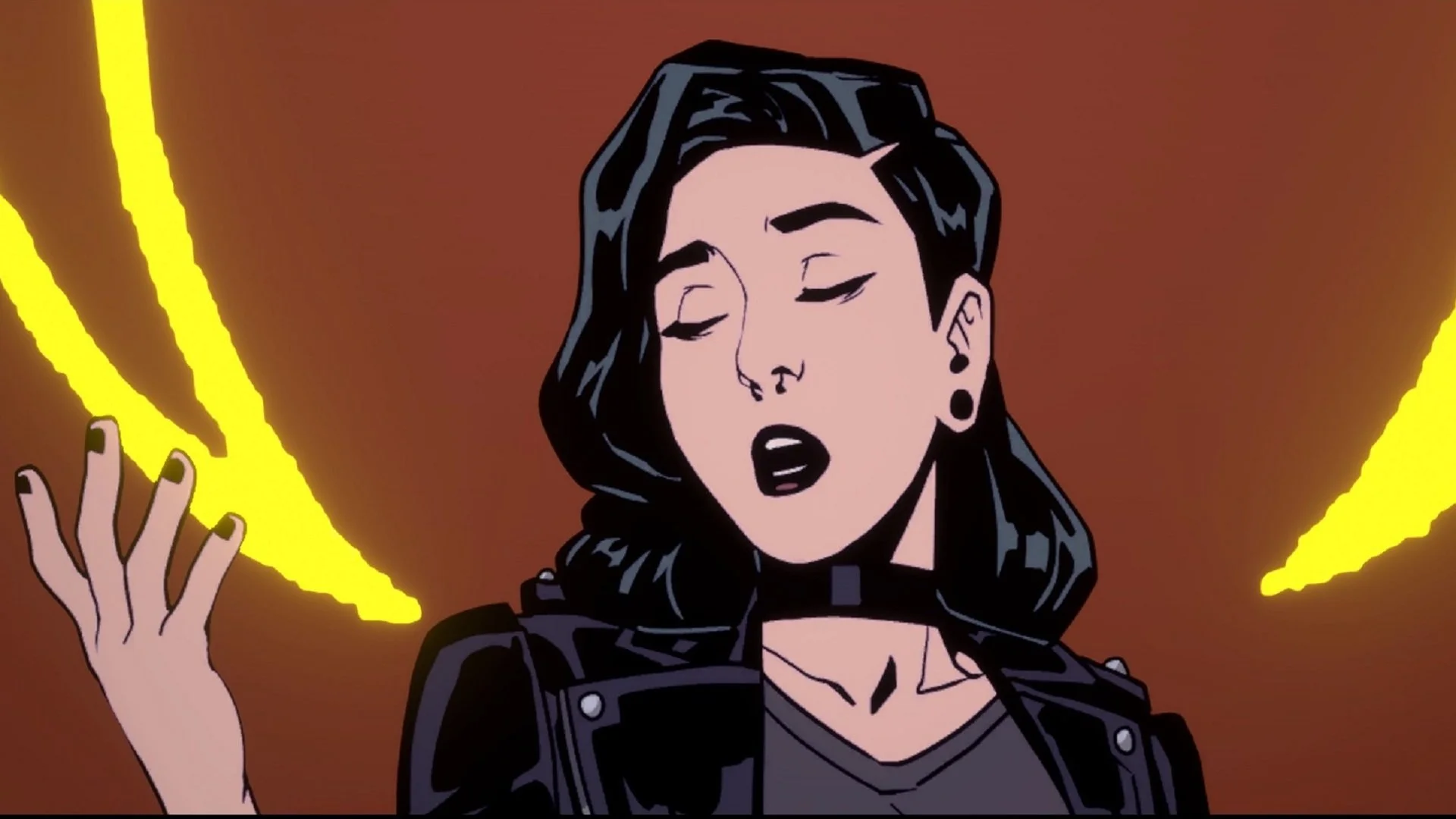
Stray Gods
There’s not really another game out there like Stray Gods. It’s a musical in which player choice can alter the lyrics, musical style, and outcome of the songs. Players control Grace, a college dropout accused of murdering the last muse. She must prove her innocence to a pantheon of Greek gods using her newfound musical powers. There are some big names behind this one. The game was written by David Gaider, who was the lead writer for the legendary role-playing video game series Dragon Age, and it has an all star cast of notable voice actors including Laura Bailey, Ashley Johnson, Troy Baker, and Rahul Kohli. Not exactly a minor project.
To do the job, Andrew had to get up to speed with Unreal Engine as quickly as possible, as that was the software being used to develop Stray Gods. The game had already been in production for a couple of years by the time he joined. Because the game’s structure was heavily tied to audio (something not easily changed), Andrew’s work mainly involved building upon what was already there. “This did make it easier to jump into from my end while I was also learning a new game engine at the same time,” he explains. The game launched in 2023 on all major platforms to positive critical and player reception.
Andrew says Stray Gods is definitely the most high-profile project he’s worked on. It was nominated for both a Grammy and a BAFTA, and has a passionate fan base that creates fan fiction and cosplays as characters. “Having been involved with a project like that was really cool.” The success of the game brought Andrew his biggest ‘pinch me’ moment of his career: getting on stage with the rest of the studio at the 2023 Australian Game Developer Awards, where Stray Gods won Game of the Year.
While Andrew joined the team late on Stray Gods, he was involved from the beginning on its story DLC, Stray Gods: Orpheus, released in 2024. “I was able to try some new things and implement a lot of the lessons learned from making the main game, which was a great experience,” he says. “In the end it turned out that Summerfall was a great fit and my position turned into a permanent one, and thankfully I'm still working there now in my current role as Technical Art Coordinator,” he says.
Looking ahead, Summerfall has recently revealed their next project: Malys, a roguelite deck builder slated for release on PC later this year. Players take on the role of Noah, a former priest exorcising demons and uncovering ancient secrets. “I've always been interested in dark, horror-themed aesthetics, so getting to work on a game with this sort of art style from our amazing art director Benjamin Ee has been really fun,” Andrew says. “It's a much shorter project than Stray Gods which has been a challenge, but the game is coming along really well.” Summerfall has also launched a Kickstarter campaign to help fund the game, running until 23 May. You can support it here: www.kickstarter.com/projects/summerfallstudios/malys-exorcise-demons-on-your-hunt-for-an-ancient-evil.
Now a healthy number of years into his career in games, Andrew has realised that game development isn’t the dream job many imagine. “The most common response to telling someone outside the industry that you work in games is ‘oh that must be really fun, getting to play games all day!’,” he says. “Working in games can be fun, but it is also an industry made up of really intelligent, passionate, hard working professionals, and very little time is actually spent playing games.” Even when you do play the game, it’s more about testing than enjoyment, he explains. Seeing what works and what needs fixing. “I would definitely rather be working in games than any other profession, but it's still a job with ups and downs like any other.”
Although the game development community in Tasmania is relatively small, Andrew believes it’s full of talent and support. “There's a definite theme of Tasmanian game developers supporting each other and trying to lift each other up, rather than competing with each other,” he says. “I think that's true of game developers in Australia in general, but probably more so in Tasmania due to its size and remoteness. There's a lot of help, advice and guidance available for anyone willing to ask for it.”
The past few years have been difficult for the industry across Australia and worldwide, with waves of layoffs and studio closures. But Andrew remains hopeful. He believes the industry moves in cycles and that things will pick up again. “There are all sorts of challenges facing game developers currently, mostly financially, but there is also an increasing amount of support from federal and state bodies like Screen Tas which is really heartening. It's taken a long time, but I think game development is slowly being taken more seriously as an industry in general.”
Having spent most of his career in Tasmania, he’s well-placed to offer advice to locals trying to break into the industry. Two things stand out. First, you need to put in effort. “There are a lot of people who haven't spent any time or energy learning about making games, through formal education or otherwise, and hope they'll get a job simply because they really love games. There are a lot fewer jobs in games than there are people who want to work in the industry, so anything you can do to help develop your skills and build yourself a portfolio so that people can see that you're dedicated and serious goes a long way to getting an opportunity.”
Second, it’s crucial to learn about the industry. “Sometimes you'll see a post on Facebook or Discord from someone asking what studios in Tasmania they can apply for to do work experience or entry level jobs, when with a little bit of research you'd realise there aren't any with that kind of capacity. Sometimes that's from people who have already studied game development. Don't wait until it's time for you to start looking for a job to find out what the industry is like, start talking to people as soon as you can to find out what studios are around, what kind of roles get hired, where are most studios based and how many offer remote roles, what does a good portfolio for a given discipline look like, etc.”
“There are always opportunities around for people who work for them,” Andrew says, “but I think it's important to know what you're working towards to have the best chance of landing them.”
Andrew’s path into game development wasn’t a straight one. It took him a while to figure out what he wanted to do, but he’s proof that it’s never too late to learn something new or pursue a career you didn’t realise you’d been working towards all along.
